TraveBuzz
Make Your Journey Come True
Make Your Journey Come True

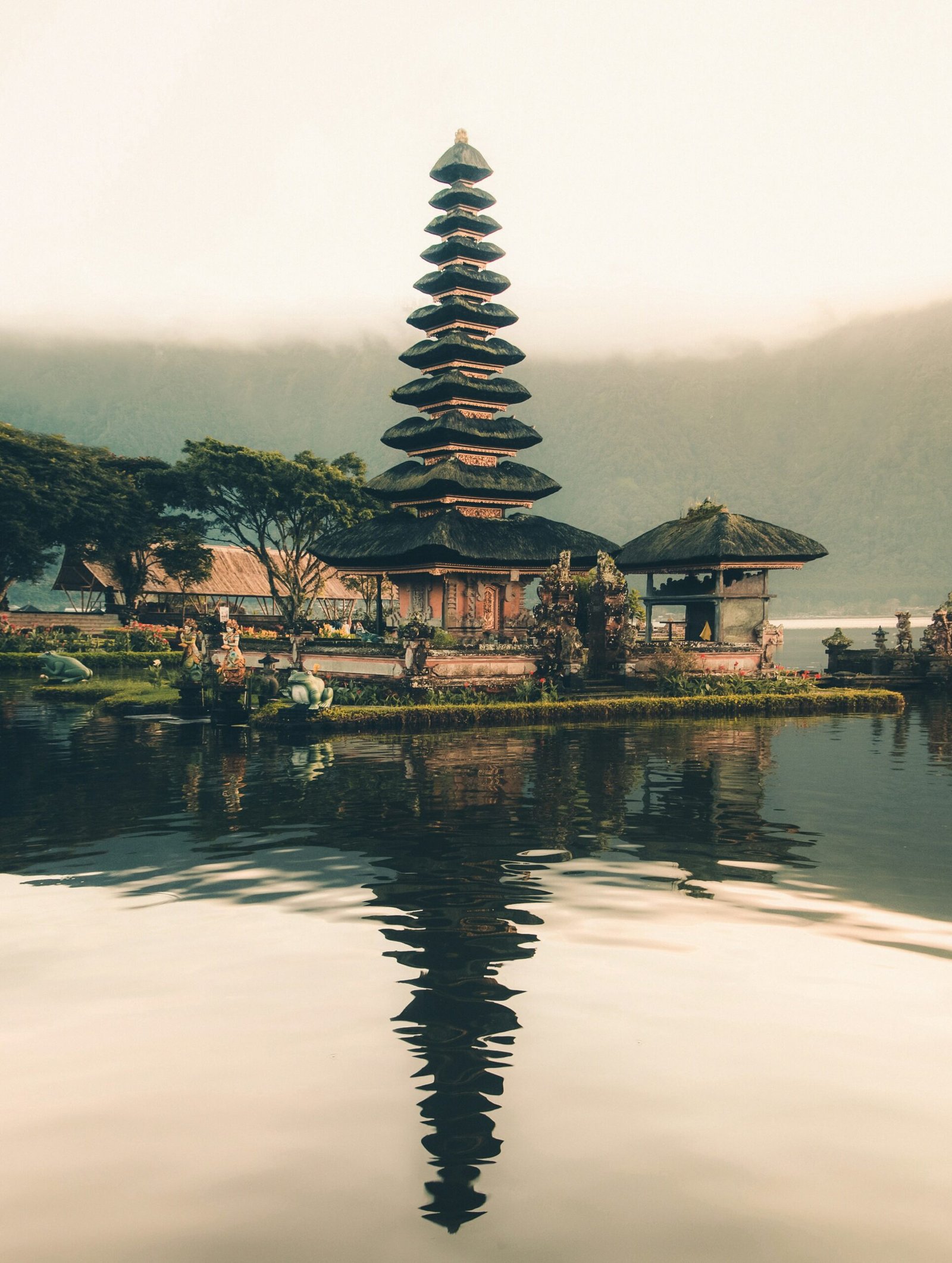
Solo Backpacking Bali is the ultimate way to experience the Island of the Gods on your own terms. While many see Bali as a honeymoon destination, it is secretly a sanctuary for the independent traveler. Having navigated its winding roads and hidden coastal paths myself, I have compiled this guide to help you master the art of solo travel in Indonesia.
Discover the ultimate solo backpacking Bali guide. I share professional insights on itineraries, safety, and cultural etiquette for independent travelers in Indonesia.
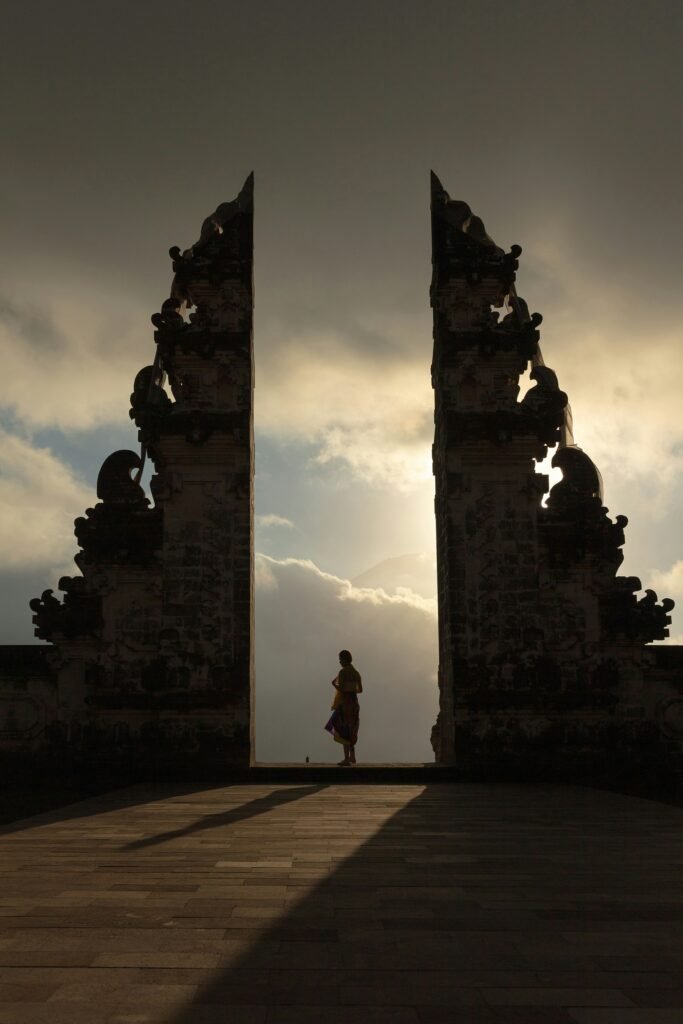
Bali is more than just a tropical getaway; it is a spiritual and cultural hub that rewards those who explore it at their own pace. As a solo backpacker, I find that the island offers a unique blend of high energy social hubs and serene, isolated retreats. The island unique philosophy of Tri Hita Karana the harmony between humans, nature, and the divine permeates every corner, making it a place of profound personal reflection.
The infrastructure for travelers is world-class, making it one of the most accessible destinations in Southeast Asia for those traveling alone. Whether you are looking for world-class surf, intricate Hindu architecture, or lush emerald rice terraces, Bali provides a safe and vibrant backdrop for self discovery. This guide focuses on the logistical and cultural nuances required to navigate the island professionally and respectfully, ensuring your journey is as smooth as it is transformative.
My approach to a Bali itinerary focuses on geographical efficiency to minimize transit time and maximize immersion. Bali may look small on a map, but its diverse microclimates and traffic patterns require strategic planning.
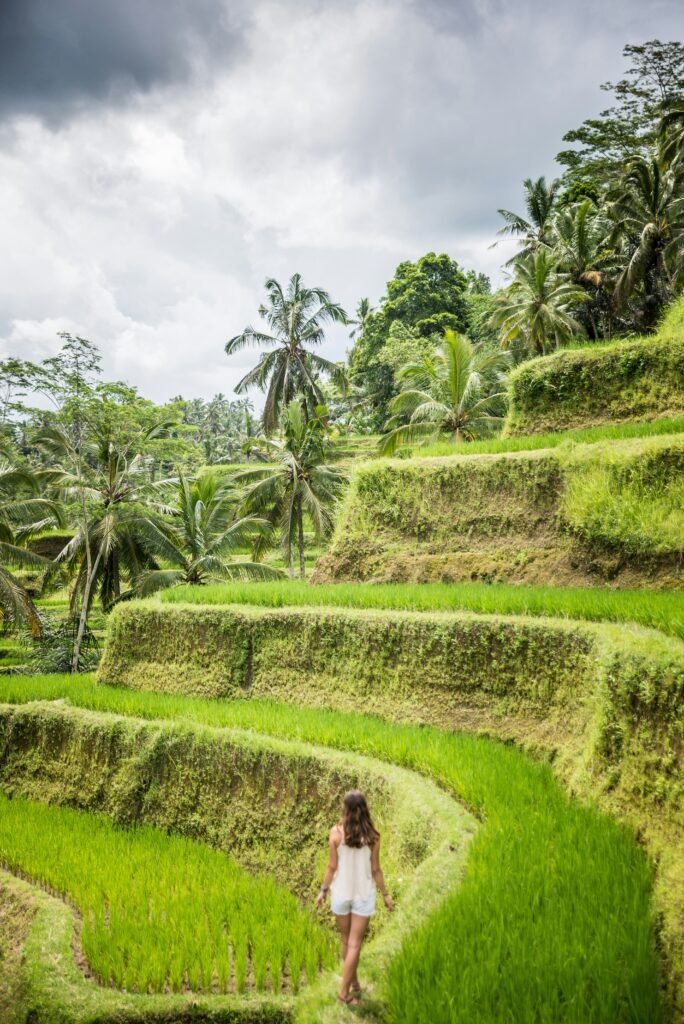
I recommend starting in the south to acclimatize. While Kuta is the traditional gateway, it can be overwhelming for some. I suggest focusing on Canggu and Uluwatu.
Moving north to Ubud is essential. This is the cultural epicenter where I suggest spending at least four to five days. Ubud is where you exchange the surfboard for a yoga mat or a trekking pole.
For those seeking true solitude away from the tourist trail, Amed and Munduk are my top professional recommendations.
In alignment with professional travel standards, I do not provide specific currency amounts, as prices fluctuate based on seasonality and global economic shifts. However, I can categorize the financial structure of a Bali trip to help you budget effectively.
Your budget will be influenced by three main pillars:
For official information on visa fees and updated entry requirements, I strongly recommend checking the Official Indonesia Tourism Website.
I always ensure I have a local SIM card or an eSIM activated before leaving the airport. Reliable data is crucial for using navigation apps and ride sharing platforms like Grab or Gojek. These apps are essential for solo travelers as they provide transparent pricing for transport and food delivery.
I personally prefer using ride hailing apps for long distances or when carrying a heavy backpack. If you choose to rent a scooter, ensure you have an International Driving Permit (IDP) and comprehensive travel insurance. I never ride without a helmet and I advise against riding at night in rural areas where road lighting can be unpredictable.
Bali is deeply religious, and its customs are the backbone of daily life.
Bali is generally very safe for solo travelers, but professional vigilance and environmental consciousness are required.
Is Bali safe for solo female travelers? Yes, I find Bali to be one of the safest and most welcoming destinations globally. The local community is incredibly helpful, and the large network of international travelers means you are rarely truly alone unless you choose to be.
When is the best time to visit for a backpacker? The dry season (April to October) is ideal for outdoor activities and surfing. However, the shoulder months of May, June, and September offer a great balance of excellent weather, lower accommodation prices, and fewer crowds.
Do I need to learn the local language? While many Balinese in tourist areas speak excellent English, learning basic phrases in Bahasa Indonesia is a mark of respect. Simple words like “Terima Kasih” (Thank You) can significantly enhance your interactions with locals.
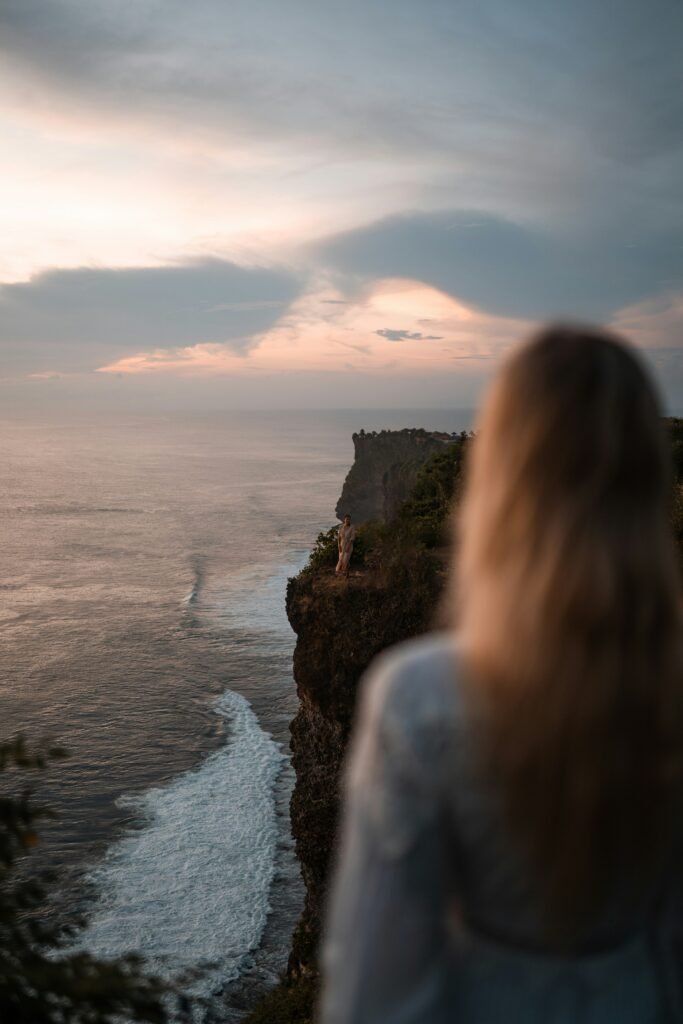
Solo backpacking Bali is more than just a holiday; it is an investment in your personal growth and global perspective. By balancing the popular social hubs with the quiet, mist covered mountains of the north, you can create a journey that is both adventurous and restorative. The island provides all the tools necessary for a successful solo trip the rest depends on your willingness to step out of your comfort zone.
Remember that professional travel is about the journey and the respect you show to the host culture. Engage with the people, protect the environment, and Bali will undoubtedly leave a lasting impression on your soul.
Disclaimer: This article is a personal guide based on my individual experiences and research as an independent traveler. This is not a sales pitch for a tour package. For the most up to date official regulations, travel permits, and government health notices, please visit the Official Website of Indonesia Tourism.
Explore more of Indonesia:
The journey doesn’t have to end in West Papua. Indonesia is an endless playground for the curious traveler. Whether you’re looking for the spiritual serenity of Ubud or the wild surf of South Lombok, we’ve got you covered. Dive into our for your next island fix, or see how to conquer the “Island of a Thousand Mosques” in our .