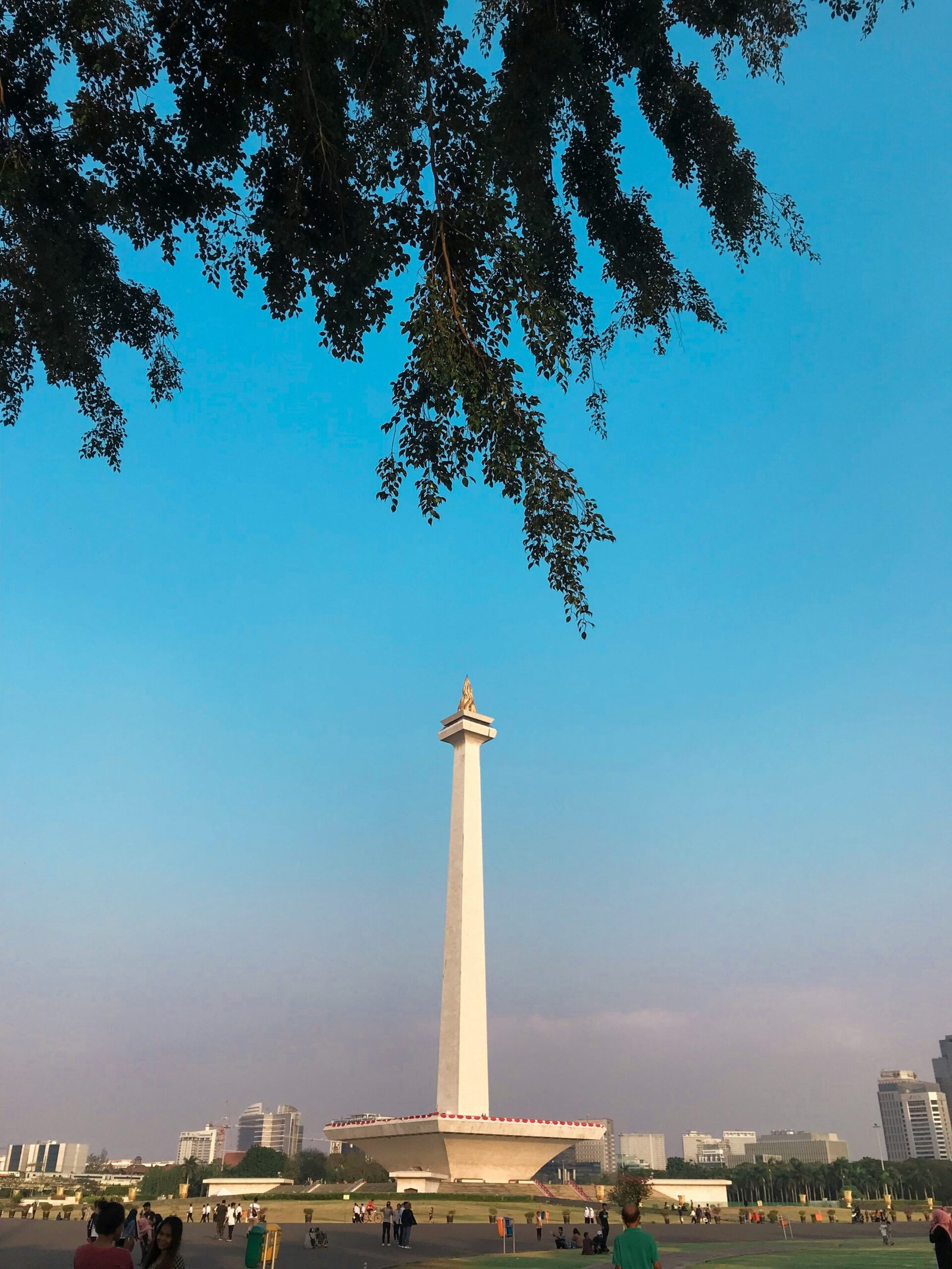
Jakarta food travel journey with this professional 7-day solo itinerary. Discover authentic Indonesian flavors, safety tips, and hidden culinary gems.
As a seasoned traveler and culinary enthusiast, I have found that Jakarta is often misunderstood. Many see it as a transit point or a concrete jungle of traffic, yet for those of us who travel via our taste buds, it is the beating heart of Indonesian gastronomy. Over the course of seven days, I will guide you through a curated exploration of the city’s diverse food scene, from humble street carts to elevated dining experiences.
This guide is a personal reflection of my experiences and serves as a roadmap for your own independent journey. I am not selling a tour package; rather, I am providing the insights necessary for you to navigate the “Big Durian” with confidence and an empty stomach.
Overview of the Jakarta Culinary Landscape
Jakarta is a melting pot of the Indonesian archipelago. Because people from every province migrate here, you can find authentic flavors from Padang, Manado, Solo, and Bali all within a few city blocks. As a solo traveler, you have the unique advantage of flexibility being able to slip into a crowded Warung (small family business) or snag a single seat at a high-end bar without a reservation.
My approach to this itinerary balances the three pillars of Jakarta dining: Street Food, Historical Gems, and Modern Interpretations. Jakarta is a city that reveals its secrets slowly. To enjoy it, one must embrace the chaos, the humidity, and the incredible hospitality of the Jakartan people.
Seven Day Solo Itinerary
Day 1: Arrival and Menteng Heritage
My first day in Jakarta always begins in Menteng. It is a central, leafy district that offers a gentle introduction to the city’s pace. It was once the first planned garden suburb in Indonesia, and it retains a sense of old-world charm that contrasts sharply with the nearby skyscrapers.
- Arrival Logistics: I suggest taking the Airport Rail Link or a trusted Blue Bird taxi to your accommodation in Central Jakarta. Settling in near Menteng allows you to walk to several key spots.
- Lunch: Visit a legendary Nasi Padang establishment. The “Hidang” style, where dozens of small plates are set before you, is a visual and sensory feast. I personally recommend trying the Rendang (slow-cooked beef in coconut milk and spices) and the Ayam Pop. Remember, you only pay for what you eat.
- Afternoon: Walk through Suropati Park to observe local life. It is a rare green lung in the city where musicians often practice and locals gather to escape the heat.
- Dinner: Explore the Jalan Surabaya area for Nasi Goreng Gila (Crazy Fried Rice). This is a Jakarta staple that combines various proteins like sausages, meatballs, and chicken in a spicy, savory wok-tossed dish. Watching the vendor toss the rice over a high flame is part of the experience.
Day 2: The Heart of Old Batavia (Kota Tua)
To understand the food, you must understand the history. Today is about the Dutch colonial influence on Indonesian cuisine, known as Indo-Dutch fusion. This area, known as Oud Batavia, was the center of the spice trade centuries ago.
- Breakfast: Try Bubur Ayam (Chicken Congee) from a street vendor near the Jakarta History Museum. Look for the vendor with the longest queue; that is usually the gold standard. A proper Jakartan congee is topped with yellow curry broth, fried soybeans, and crispy shallots.
- Lunch: Dine at a restored colonial building, such as Cafe Batavia, to try Rijsttafel (Rice Table). This is a traditional Dutch-Indonesian banquet that allows you to sample small portions of many different Indonesian dishes in one sitting.
- Snack: Seek out Kerak Telor in the square. This is a Betawi (native Jakartan) spicy omelet made from glutinous rice and duck or chicken egg, topped with serundeng (fried shredded coconut) and dried shrimp. It is cooked over charcoal in a small pan that the vendor flips upside down over the fire to crisp the top.
- Late Afternoon: Visit the Sunda Kelapa Port to see the traditional Pinisi schooners. The smell of the sea and the old wood is a reminder of Jakarta’s maritime roots.
Day 3: Glodok Chinatown Exploration
Glodok is one of the oldest Chinatowns in the world. The narrow alleys of Petak Sembilan are a paradise for solo food explorers, offering a mix of Taoist temples and bustling wet markets.
- Morning: Sip traditional coffee at a heritage coffee house established in the 1920s (Kopi Es Tak Kie). The atmosphere is spartan but steeped in history. Their iced coffee is the perfect antidote to the morning humidity.
- Lunch: Explore the wet market for Mie Kangkung (Noodle soup with water spinach and chicken) or Soto Tangkar. For those who enjoy pork, Glodok is one of the few places in the city where it is widely available and celebrated in various noodle dishes.
- Cultural Stop: Visit the Dharma Bhakti Temple (Jin De Yuan). It is the oldest Chinese temple in Jakarta. The scent of incense and the intricate carvings provide a meditative break from the food hunt.
- Dinner: Head back towards the center to find a Martabak Telur vendor. This is a deep-fried savory pancake filled with eggs, leeks, and minced meat, served with a sweet and sour vinegar dipping sauce.
Day 4: Modern Jakarta and Senopati
After days of tradition, I shift my focus to the trendy Senopati and Gunawarman areas. This is where Jakarta’s “New Wave” chefs are reimagining local ingredients. This district represents the aspirational, modern face of the city.
- Lunch: Visit a concept cafe focusing on Indonesian specialty coffee beans. Indonesia is a top coffee producer, and places in Senopati treat beans from Toraja, Gayo, or West Java with the same reverence as fine wine.
- Afternoon: Browse the boutiques or visit a contemporary art gallery. Jakarta has a thriving underground art scene that often goes unnoticed by tourists.
- Dinner: Solo dining is excellent at the many high-end “Izakaya-style” Indonesian grills in this area. Sit at the bar and watch the chefs work with Bumbu (Indonesian spice pastes) to create modern masterpieces. Many restaurants here offer “Deconstructed” versions of classic street foods.
Day 5: South Jakarta Street Food Crawl
South Jakarta, specifically Blok M and Panglima Polim, offers a more localized, youthful energy. This area has undergone a massive revitalization and is now a hub for creative communities.
- Lunch: Gultik (Gulai Tikungan). These are small portions of beef curry served at the intersections of Blok M. It is a quintessential Jakarta experience. Because the portions are small, it is common for locals to eat two or three plates.
- Snack: Look for Martabak Manis, a thick, buttery dessert pancake filled with chocolate, cheese, peanuts, and condensed milk. It is incredibly rich and perfect for sharing if you meet fellow travelers, but manageable for a determined solo foodie.
- Evening: Explore the “Little Tokyo” area of Melawai. Here, you will find a unique blend of Japanese and Indonesian cultures. Many Japanese expatriates live here, resulting in some of the best ramen and yakitori in Southeast Asia, often with a slight Indonesian spicy twist.
Day 6: The Flavors of Peranakan and Sundanese
I dedicate this day to the surrounding cultures that define Jakarta’s palate. The Sundanese people are the indigenous group of West Java, and their food is characterized by freshness and raw vegetables (Lalapan).
- Lunch: A Sundanese “Lesehan” (sitting on the floor) experience. Focus on Ikan Bakar (Grilled Fish) served with Sambal Dadak (freshly ground chili paste) and Sayur Asem (a tamarind-based vegetable soup). The acidity of the soup perfectly balances the richness of the grilled fish.
- Afternoon: Visit the National Museum of Indonesia. Understanding the diverse ethnic groups of the country provides context to why the food scene is so varied.
- Dinner: Search for Soto Betawi. This is the signature soup of Jakarta. It features a creamy broth enriched with coconut milk or evaporated milk, flavored with galangal, lemongrass, and topped with Emping (bittersweet nut crackers). It is hearty, comforting, and deeply satisfying.
Day 7: Final Feast and Souvenir Hunting
On my final day, I revisit my favorite spots or head to a major “Mall.” In Jakarta, malls are not just for shopping; they are curated culinary destinations containing high-quality outposts of famous street food stalls.
- Lunch: Sate Ayam (Chicken Satay) with peanut sauce at a reputable specialized stall. Look for the ones where they grill the meat over real coconut shell charcoal for that distinct smoky aroma.
- Afternoon: Visit a premium supermarket or a specialty bakery like those in the Plaza Indonesia or Grand Indonesia area to buy Lapis Legit (Thousand Layer Cake). This spice-rich cake is a legacy of the Dutch era and makes an excellent gift.
- Closing: A sunset drink at a rooftop bar in the Thamrin area. Watching the sun set over the skyscrapers while the “Adhan” (call to prayer) echoes across the city is a surreal and beautiful way to end the trip.
Professional Cost Description
In accordance with professional standards, I do not provide specific currency amounts, as prices in Jakarta can fluctuate based on inflation, seasonality, and the venue’s prestige. However, I can categorize the expenditure expectations to help you budget:
- Street Food & Warungs: These are the most budget-friendly options. You can eat a full meal for the price of a coffee in a Western city. These venues offer the highest value and most authentic flavors.
- Mid-Range Cafes & Heritage Restaurants: Moderately priced. These venues provide air conditioning, consistent hygiene standards, and a more relaxed historical ambiance. They are ideal for when you need a break from the city’s intensity.
- Fine Dining & Upscale Lounges: These are comparable to international capital city pricing (London, New York, or Singapore). They are found primarily in 5-star hotels or the SCBD (Sudirman Central Business District) and offer world-class service.
- Transport: Utilizing ride-hailing apps is a cost-effective and transparent way to navigate. I recommend using “Grab” or “Gojek” as the prices are fixed in the app, eliminating the need for negotiation.
Essential Travel Tips for the Solo Foodie
- The “Wash” Rule: Always ensure your cutlery is dry. In smaller stalls, I often use a tissue to wipe down my spoon and fork before eating. It is a simple habit that goes a long way.
- Hydration: Drink only bottled or filtered water. Jakarta’s heat is intense and humid; keep a bottle of water with you at all times. Avoid ice in street-side stalls unless you are sure it is “Es Kristal” (factory-made tube ice).
- Peak Hours: Jakarta’s traffic (Macet) is legendary. I plan my meals during “off-peak” hours (e.g., lunch at 11:00 AM or 1:30 PM) to avoid spending hours in a car. The city is much more enjoyable when you aren’t stuck in a gridlock.
- Apps are Essential: Download GoJek or Grab. They are vital for transport (GoRide for motorbikes or GoCar for cars) and food delivery (GoFood) if you feel like staying in. They also allow you to pay digitally using GoPay or OVO.
- Tissues and Sanitize: Always carry your own pack of tissues and hand sanitizer. Many street stalls do not provide napkins, and you will want to clean your hands before and after handling finger foods like satay.
Safety and Wellness for the Solo Traveler
Jakarta is generally safe for solo travelers, but it requires “big city” common sense and a degree of street-smarts.
- Pedestrian Safety: Sidewalks can be uneven, interrupted by trees, or non-existent. Watch your step and be extremely cautious when crossing streets. Motorbikes often weave through any available space.
- Dietary Adjustments: If you are not used to spicy food, always ask for “Tidak pedas” (Not spicy) or “Sedikit pedas” (A little spicy). Indonesian “medium” is often significantly hotter than what is considered “hot” in Europe or North America.
- Personal Belongings: Keep your phone and bag secure. When taking photos near the street, be aware of your surroundings to prevent “snatch and grab” incidents from passing motorbikes. I prefer using a cross-body bag kept in front of me.
- Health: “Jakarta Belly” can happen to the best of us. Pack some basic stomach medication. If you do get sick, stay hydrated with electrolyte drinks (like Pocari Sweat) which are available at every convenience store (Indomaret or Alfamart).
FAQs
Is it easy to find vegetarian options in Jakarta? Yes, surprisingly so. While many dishes use shrimp paste (Terasi), the staples of Tempeh (fermented soy) and Tahu (tofu) are everywhere. Gado-Gado is a fantastic vegetarian salad, but always specify “No shrimp paste” if you are a strict vegetarian.
Do I need to tip at restaurants? Most mid-to-high-end restaurants include a 5-10% service charge and a 10% government tax in the bill. In smaller stalls or Warungs, tipping is not expected, but rounding up the change or leaving a small bill (like 5,000 or 10,000 IDR) is a kind gesture that is always appreciated.
What is the best way to get around? For solo travelers, the motorbike taxis (Ojek) found on ride-hailing apps are the fastest way to bypass traffic. For longer distances, rainy days, or safety/comfort, the Blue Bird Taxi group is the gold standard for reliability and honesty.
Is English widely spoken? In malls, hotels, and trendy cafes, English is common. In traditional markets and street stalls, it is less common. Learning basic phrases like “Terima kasih” (Thank you) and “Berapa?” (How much?) goes a long way in building rapport with vendors.
Conclusion
A 7-day Jakarta food travel itinerary is more than just a culinary vacation; it is an education in spice, culture, and urban resilience. By navigating this city solo, you open yourself up to the hospitality of the locals and the true depth of Indonesian cuisine. Jakarta may be loud and crowded, but it is also generous and flavorful.
The beauty of traveling solo here is that you are never truly alone; a conversation with a fellow diner at a Warung or a tip from a street vendor often leads to the best meals of the trip. Approach the city with an open mind and a cautious stomach, and Jakarta will reward you with some of the best flavors in Asia.
Disclaimer: This guide is a personal resource based on my own travel experiences. It is not a commercial travel package or a paid advertisement. For official tourism information, visa requirements, and government updates, please visit the officialIndonesia Travelwebsite and theJakarta Tourismportal.
Suggested Visual Assets
Image 1: The Vibrant Colors of Nasi Padang
- Description: A top-down shot of a table filled with various small plates of Padang food (beef rendang, green chili, curried vegetables, and fried lung).
- Alt Text: A variety of authentic Indonesian dishes served in a traditional Nasi Padang restaurant in Jakarta.
Image 2: Street Food at Night in Blok M
- Description: A vibrant night shot of a street food vendor grilling satay with smoke rising, illuminated by golden street lights with locals eating on plastic stools in the background.
- Alt Text: A busy night market scene in South Jakarta featuring traditional chicken satay street food vendors.
Image 3: Colonial Architecture in Kota Tua
- Description: The iconic white facade of Fatahillah Square with colorful vintage bicycles (Sepeda Onthel) and their matching hats in the foreground.
- Alt Text: The historic Old Batavia district in Jakarta showing Dutch colonial architecture and the Jakarta History Museum.
Image 4: Modern Jakarta Skyline at Sunset
- Description: A wide-angle view of the Sudirman Central Business District skyscrapers glowing during the golden hour, showing the contrast between the city’s modern growth and the horizon.
- Alt Text: The modern skyline of Jakarta’s financial district at sunset seen from a high-altitude rooftop bar.