Raja Ampat Guide discover the ultimate holiday for couples. This 7-day backpacking itinerary covers Piaynemo, Wayag, and budget-friendly homestays for an authentic Indonesian adventure.
Raja Ampat Guide: The Ultimate 7 Day Backpacking Itinerary for Couples
Raja Ampat is often whispered about in travel circles as the last paradise on Earth. Located off the coast of West Papua, Indonesia, this archipelago consists of over 1,500 small islands, cays, and shoals surrounding the four main islands of Misool, Salawati, Batanta, and Waigeo. For couples who prefer the path less traveled, backpacking through this region offers an intimacy and raw natural beauty that luxury resorts simply cannot replicate.
In this guide, I will share my perspective on how to navigate this breathtaking destination over seven days. This is not a sales pitch for a tour package. Instead, it is a personal roadmap designed to help you and your partner experience the “Four Kings” independently, sustainably, and authentically.
Disclaimer: This article is a personal travel guide and resource. I do not sell tour packages. All recommendations are based on independent research and travel experience. For official government regulations and park entry fees, please visit the Official Raja Ampat Tourism Website.
Overview of the Backpacking Experience
Backpacking in Raja Ampat as a couple is different from backpacking in Bali or Thailand. The infrastructure is modest, the distances are vast, and the rhythm of life is dictated by the tides and the sun. You won’t find bustling hostels; instead, you will find “Homestays”—traditional wooden bungalows built over the water or on the beach, managed by local families.
This itinerary focuses on the Central Raja Ampat region (Dampier Strait), which is the most accessible for independent travelers while still offering world-class diving, snorkeling, and iconic viewpoints.
The 7 Day Couple Itinerary
Day 1: Arrival and Crossing the Dampier Strait
Your journey begins in Sorong, the gateway to Raja Ampat. Upon landing at Domine Eduard Osok Airport, I recommend taking a local taxi to the People’s Harbor (Pelabuhan Rakyat).
Morning: Purchase your tickets for the public ferry to Waisai (the capital of Raja Ampat). There are usually two departures daily.
Afternoon: Upon arrival in Waisai, you will be met by your homestay host. A short boat ride will take you to your island base. I suggest staying on Pulau Mansuar or Pulau Kri for its central location.
Evening: Settle into your overwater bungalow. There is nothing quite like watching the sunset over the Dampier Strait with your partner to start the trip.
Day 2: The Underwater Wonders of Kri and Mansuar
Kri Island is world-renowned for having some of the highest marine biodiversity on the planet.
Morning: Shore snorkeling right in front of your homestay. You are likely to see blacktip reef sharks (which are harmless and shy) and giant sea turtles.
Afternoon: Walk between Kri and Mansuar at low tide. There is a sandbar that connects the two islands, offering a romantic and secluded trekking experience.
Evening: Dinner is typically served family-style at the homestay, providing a great opportunity to meet other backpacking couples.
Day 3: The Icon of Raja Ampat Piaynemo
No Raja Ampat guide would be complete without the karst islands of Piaynemo.
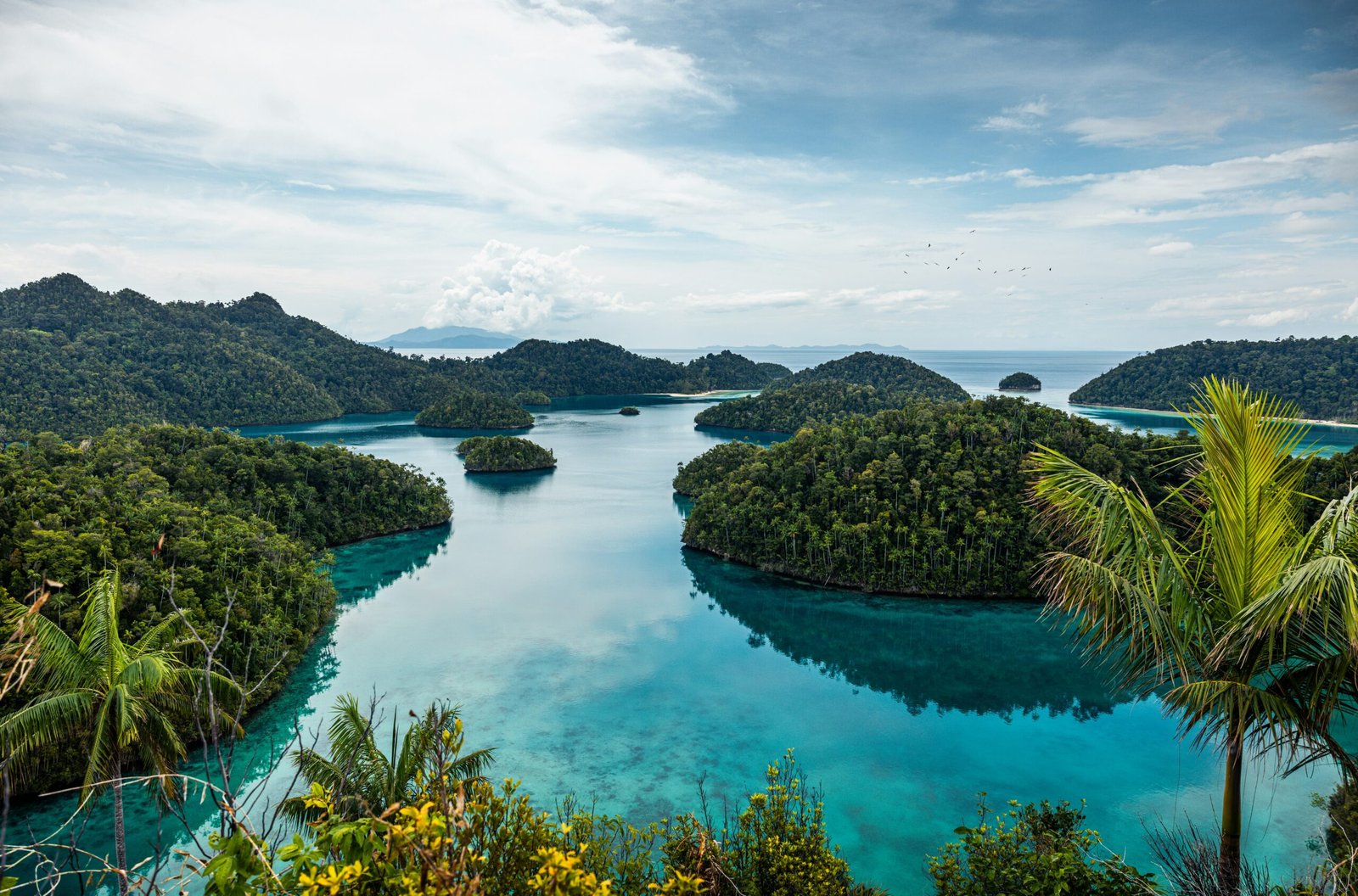
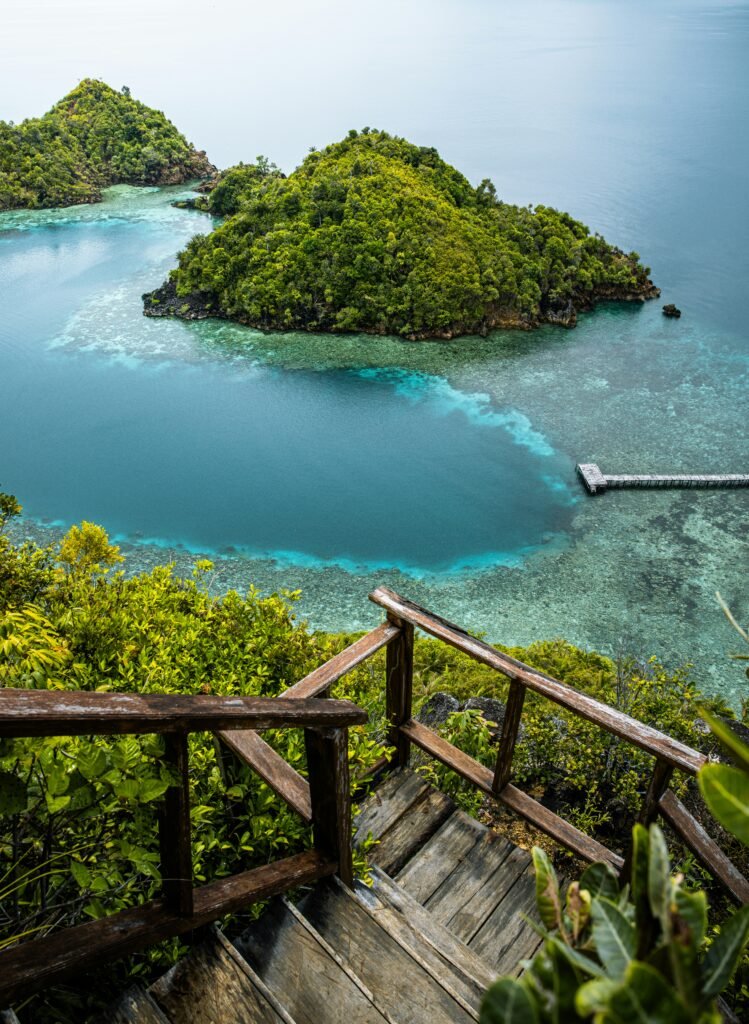
Morning: Arrange a small boat with your homestay. The climb to the top of the Piaynemo lookout involves a few hundred wooden stairs. The view from the top—a turquoise lagoon dotted with jagged limestone islets—is the quintessential Raja Ampat photo op.
Afternoon: Visit Telaga Bintang (Star Lagoon), a star-shaped lagoon nearby, followed by a stop at Arborek Village. Arborek is a pioneer in community-based tourism; the locals are incredibly welcoming, and the snorkeling under the village jetty is spectacular.
Day 4: Wayag The Ultimate Frontier
If your budget and time allow, I highly recommend making the long journey to Wayag. It is further north and requires a larger boat and more fuel, but it is the crown jewel of the region.
Full Day: Wayag offers a more rugged version of Piaynemo. The climb to Mount Pindito is steeper and involves scrambling over sharp limestone, so wear sturdy shoes.
Highlight: Swimming with baby sharks at the Wayag Ranger Station. It is a surreal experience that feels like stepping into a nature documentary.
Day 5: Bird of Paradise and Jungle Trekking
Raja Ampat is one of the few places on Earth where you can see the Cendrawasih (Bird of Paradise) in the wild.
Early Morning (5:00 AM): You must wake up before dawn to trek into the jungle of Waigeo or Gam. Local guides will lead you to the lekking sites where these birds perform their elaborate mating dances at sunrise.
Afternoon: Explore the Blue River (Kali Biru). This is a crystal-clear river hidden in the jungle with deep blue water that is surprisingly cold and refreshing.
Day 6: Friwen Wall and Hidden Bays
On your penultimate day, focus on the smaller, hidden gems near the Dampier Strait.
Morning: Snorkel at Friwen Wall. The vertical underwater cliffs are covered in colorful soft corals and sea fans.
Afternoon: Relax at Friwen Beach. There are swings hanging from the trees and local stalls selling coconuts. It is the perfect spot for a couple to reflect on their journey.
Evening: Enjoy a final beach bonfire if the weather permits, organized by your homestay hosts.
Day 7: Return to Sorong and Departure
Morning: Take the morning ferry from Waisai back to Sorong.
Afternoon: Depending on your flight schedule, you can visit a local market in Sorong to buy Batik Papua or Sagu snacks as souvenirs.
Departure: Head to the airport for your flight back to Jakarta, Makassar, or Bali.
Cost Description and Budgeting Logic
While I do not provide specific price lists in this guide, it is important to understand how costs are structured in Raja Ampat to help you plan your finances.
The Homestay System
Unlike typical hotels, homestays in Raja Ampat usually charge per person per night, rather than per room. This rate almost always includes three meals a day, coffee, tea, and drinking water, as there are no restaurants on the remote islands.
Transport Logistics
Transport is the most significant expense for backpackers. Since islands are far apart, you are essentially renting a private boat and paying for expensive fuel. To manage costs, I recommend:
Group Up: Join other couples at your homestay to split the cost of boat rentals for excursions to Piaynemo or Wayag.
Stay Central: Choosing a homestay in the Dampier Strait (Kri, Mansuar, or Gam) reduces the travel time and fuel needed to reach major sites.
Entry Permits
Every visitor must pay an Environmental Maintenance Fee (Tarif Layanan Pemeliharaan Lingkungan). This permit is valid for one year and the funds go toward conservation and community development. This is a mandatory fixed cost you should account for upon arrival at the Waisai port or Sorong airport.
Practical Travel Tips for Couples
Currency: There are very few ATMs in Waisai and none on the smaller islands. You must carry enough Indonesian Rupiah (IDR) from Sorong to cover your entire stay, including boat trips and tips.
Connectivity: Signal is spotty. Telkomsel is the only provider with decent coverage in certain areas of Kri and Mansuar, but do not expect high-speed internet. Use this as a chance to disconnect.
Sunday is a Day of Rest: The majority of the population in Raja Ampat is Christian. Sunday is a sacred day for church and family. Most boat captains and guides will not work on Sundays, so plan your travel or excursions accordingly.
Electricity: Most homestays run on generators that only operate from 6:00 PM to midnight. Bring power banks to keep your cameras and phones charged.
Safety and Sustainability
Raja Ampat is a delicate ecosystem. As a backpacker, your impact is significant.
Personal Safety
Currents: The currents in the Dampier Strait can be very strong. Always wear a life jacket during boat transfers and consult your host about tide times before snorkeling.
Health: Malaria is present in West Papua. While many travelers rely on mosquito repellent and nets, I suggest consulting a travel doctor regarding prophylaxis before your trip.
Sun Protection: The equatorial sun is intense. Use reef-safe sunscreen to protect the coral reefs from harmful chemicals like oxybenzone.
Environmental Responsibility
Waste Management: There is no formal waste disposal system on the remote islands. Whatever plastic you bring in, please take back out to Sorong with you.
Marine Life: Never touch or step on the coral. Maintain a respectful distance from manta rays and turtles.
Frequently Asked Questions (FAQs)
When is the best time to visit Raja Ampat?
The peak season is from October to April when the seas are calm and underwater visibility is at its best. June to September is the monsoon season, which can bring rougher seas and wind.
Do I need to be a diver to enjoy Raja Ampat?
Absolutely not. I found that the snorkeling in Raja Ampat is often better than diving in other parts of the world. Many of the most vibrant corals are just 1 to 3 meters below the surface.
Is it safe for female travelers or couples?
Yes, Raja Ampat is incredibly safe. The local communities are respectful and welcoming. As with any travel, use common sense, but the vibe here is one of peace and hospitality.
How do I book a homestay?
The best resource is StayRajaAmpat, a local initiative that connects travelers directly with homestay owners. It provides transparent descriptions and helps ensure your money stays within the local community.
Conclusion
Backpacking through Raja Ampat as a couple is a transformative experience. It challenges your comfort zone but rewards you with landscapes that feel like the dawn of time. By choosing homestays and traveling mindfully, you not only save money but also contribute directly to the preservation of this natural wonder and the livelihoods of its people.
Planning a trip here requires more effort than a standard holiday, but the moment you see the sunrise over the limestone peaks of Piaynemo, you will realize it was worth every bit of preparation.
Ready for your next Indonesian adventure? If Raja Ampat is too remote for your next trip, why not head west? Discover the rugged beauty of Mount Rinjani and the Gili Islands with our comprehensive . Or, if you prefer the cultural heart of the archipelago, check out our ultimate to start planning your journey today!