TraveBuzz
Make Your Journey Come True
Make Your Journey Come True

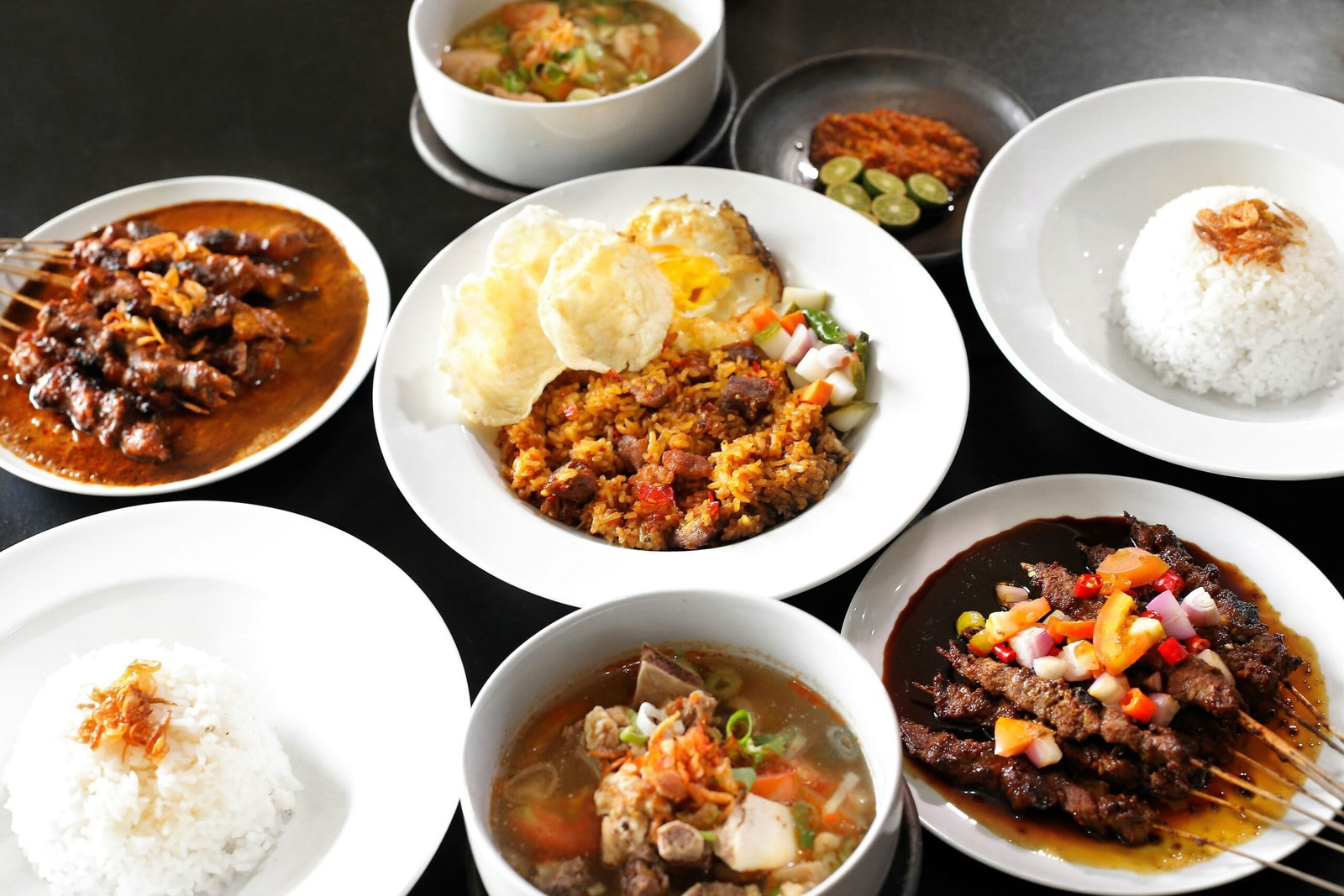
Sumatra food travel guide for couples. Discover authentic Minang flavors, North Sumatra coffee culture, and professional itinerary tips for your journey.
As an explorer of Indonesia’s vast culinary heritage, I have found that Sumatra offers a depth of flavor that is both challenging and profoundly rewarding. For couples, the island provides a unique opportunity to bond over shared meals that are steeped in history and local pride. From the world-famous Rendang of the Minangkabau highlands to the aromatic Soto of Medan, this guide highlights the most searched and celebrated food experiences in Sumatra.
This article is a personal guide designed to help you structure your journey based on professional observations of the region’s top culinary destinations.
No discussion of Sumatra food travel is complete without Rendang. Consistently ranked among the world’s best foods, Rendang is a slow-cooked, caramelized beef curry that represents the heart of Minangkabau culture.
In West Sumatra, particularly in Padang and Bukittinggi, Rendang is prepared with a precision that borders on the scientific. The meat is simmered for hours in coconut milk and a complex spice paste until the liquid evaporates, leaving the beef dark, tender, and infused with concentrated flavor. For couples, sharing a plate of authentic Rendang at a local Rumah Makan Sederhana or Pagi Sore is a foundational Sumatran experience.
Pro Tip: Look for “Rendang Hitam” (Black Rendang). The darker the color, the longer it has been cooked, resulting in a more intense and shelf-stable flavor profile.
Moving to North Sumatra, the culinary landscape shifts. Soto Medan is a highly searched delicacy characterized by its rich, yellowish coconut milk broth. Unlike the clearer sotos of Java, the Medan version is aromatic with turmeric, ginger, and cumin, often served with shredded chicken, prawns, or beef.
For a professional breakfast experience, I recommend visiting the Kesawan area in Medan. Sharing a bowl of soto in a historic shophouse allows couples to soak in the colonial architecture while enjoying a dish that has comforted generations of locals.
While sate (skewered meat) is found throughout Indonesia, Sate Padang is a distinct beast. It features beef, tongue, or offal served with a thick, spicy gravy made from rice flour and a heavy dose of pepper and turmeric.
The most sought-after variations are Sate Padang Panjang (yellow gravy) and Sate Pariaman (reddish-brown gravy). Watching a street vendor expertly fan the charcoal grills while the spicy aroma fills the air is an essential evening activity for any food-loving couple.
In the Batak highlands surrounding Lake Toba, the flavor profile changes again. Ikan Arsik is a traditional goldfish (carp) dish stewed with local spices, most notably the Andaliman pepper.
The Andaliman provides a unique numbing sensation similar to Sichuan peppercorns, balanced by the acidity of torch ginger and galangal. This dish is often served during significant family gatherings, making it a culturally significant meal for couples to experience while overlooking the majesty of the world’s largest volcanic lake.
Often confused with Nasi Padang, Nasi Kapau is a more specific highland tradition from the village of Kapau near Bukittinggi. The layout is iconic: the vendor sits on a high platform, serving dishes from large bowls using long-handled ladles.
The signature dish here is Gulai Tambusu cow intestines stuffed with a spiced egg and tofu mixture. For a couple, exploring the Los Lambuang area in Bukittinggi to sample Nasi Kapau is a deep dive into the technical mastery of Sumatran home cooking.
Navigating Sumatra requires a balanced approach to logistics and budgeting. I recommend a 10-day itinerary split between West and North Sumatra.
As a matter of professional policy, I do not provide specific price points. However, travel in Sumatra is generally high-value. Your primary costs will involve:
Sumatra is famous for the “Giling Basah” (wet-hulling) process, which gives the beans an earthy, full-bodied flavor with low acidity. Mandheling and Gayo are the most sought-after varieties.
While meat is prominent, Sumatran cuisine uses a lot of Tempeh, Tahu (tofu), and diverse vegetable curries (Gulai Paku or fern curry is a must-try). Communicating your dietary needs is key.
The dry season from May to September is ideal for traveling between regions and exploring outdoor food markets without the interruption of monsoon rains.
Sumatra is a destination that demands engagement. For couples, it offers a sensory richness that few other places can match. By following the “spice trail” from the coast of Padang to the highlands of Toba, you are not just eating you are participating in a living history. The boldness of the flavors reflects the boldness of the land and its people.
Disclaimer: This guide is a personal travel resource and is not a sales package. For official travel guidelines, health advisories, and visa information, please visit theOfficial Indonesia Tourism Website.